

Sliding Patio Door Lock Repair
A safe lock will ensure the security and safety of your patio door. The good news is that a lot of lock issues can be solved with preventive maintenance and basic tools.
A latch that is difficult to lock may simply require the lubrication. It is crucial to select the proper kind of lubricant to prevent the risk of causing damage to delicate components.
Drafts and air leaks
Over time, a sliding patio door may undergo normal wear and tear that can affect its performance. Fortunately, simple maintenance tasks can resolve many common issues.
Drafts and air leaks in the door frame can cause discomfort in your home, as well as higher energy bills. Air leaks are often caused by weather stripping that has worn out or a door that isn't properly aligned. These issues can be fixed by replacing the weather stripping, and making sure that the door is aligned properly. This will improve the energy efficiency of your home.
Another issue that is frequently encountered is a door track that is sticky that makes it difficult to open or close the door. Often, this can be solved by lubricating the tracks and rollers with a silicone-based fluid. It is also recommended to clean the track periodically to keep it free of dirt and other debris which can cause friction and jamming.
If you notice carpets or rugs that are damp around the sliding patio doors It could be an indication of leaks. Water can enter the frame of the door through cracks or gaps caused by improper installation. Replacing damaged gaskets or seals and installing a threshold sweep or seal can resolve these issues, however in extreme cases, it could be necessary to replace the door itself.
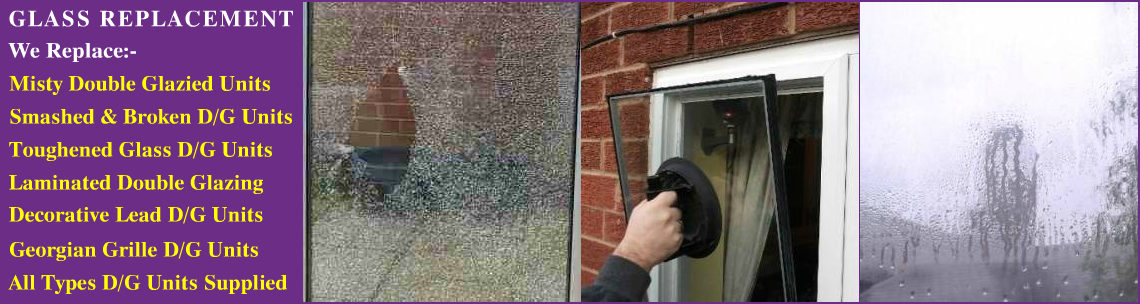
Cracked or shattered glasses aren't just a nuisance. They can also pose an hazard to safety and decrease the insulation capacity of the door. Replacing damaged or broken glass is a difficult task that should be performed by an expert. Contact an expert in your area if you have any of these issues with your sliding patio doors. You can then enjoy your sliding patio doors with peace of mind. The longer you delay in taking care of these issues, the worse the damage that will result. Sliding patio doors are a beautiful addition to any house. However, they require regular maintenance to ensure that they operate smoothly for a long time.
Worn Handle
The sliding patio door hardware can be neglected and deteriorated by dust and foot traffic. Some issues can be repaired with DIY solutions. Others require a professional repair or replacement. With a little care and attention homeowners can keep sliding patio doors in good functioning condition for many years.
Some sliding patio door locks may utilize a mechanism that is distinct from the pin tumblers that are used on doors that are standard. Some might have their own distinct mechanism. In general glass sliding door latches frequently get stuck or catch on foreign objects that get caught between the lock mechanism and the handle spindle. This kind of issue is usually solved by applying lubrication or using a pencil to get rid of any accumulated debris.
The handle itself can also fail, causing it to be difficult to open or loose. This problem usually results from the screws that keep the handle in place becoming loose or working their way out completely. The handles can be tightened by an amateur DIYer using a simple screwdriver.
A sliding patio door that doesn't shut properly can cause a lot of inconvenience and, in a few instances, can even lead to damage to your home or energy leaks. The tracks for sliding patio doors are usually built to run across the floor. The track can be worn out by dirt, sand, or grit. This wear could cause the panel to be disaligned or lose contact with the track if it is not maintained. Cleaning the sliding patio door tracks and jambs on a regular basis will prevent the buildup of dust that could cause damage to the track or prevent it from moving.
Sliding door runners also benefit from a periodic lubrication to prevent stiffness and jamming. These parts are constantly exposed to dust and dirt, which can get into the runners. They should be cleaned and greased as needed. It is vital that your sliding doors function correctly to ensure the comfort of your family.
Afflicted Weatherstripping
The weatherstripping around the sliding patio door play an important role in keeping unwanted insects, light, and moisture out. It is possible to replace your weatherstripping if it's damaged, cracked, or brittle or does not form a tight seal. One simple test is to close the door and see whether light shines through. Another test is to put a dollar bill on the weatherstripping, and then try to pull it up or down. If the dollar bill is able to slide under the weatherstripping, it's time to replace the weatherstripping.
It is crucial to keep the lock mechanism clean to maintain its smooth operation and security. Take off the handle, keyway, and latch and clean them with a cleaning product that you can use at home. It's also recommended to lubricate the locks mechanisms using a silicone-based grease to ensure they are smooth and working properly.
Replacing the locking mechanism is a relatively easy do-it-yourself project and can be accomplished with the right tools and knowledge. Understanding the specifics of the lock you have such as its name and its location on the keyway is essential to accurately choosing and installing the correct replacement. Photograph the lock with your digital camera and send the information to the locksmith. This will ensure that you receive the right type of lock for your patio door.
To replace the lock, remove it and take off the screws that hold it in place. Then loosen the screws that secure the lock strike to the jamb. Move the strike up or down until it's placed in a place in a place where the lock latch will be aligned with it when the door is closed. If the door's latch does not latch when you try to close it, it's because the lock isn't aligned with the strike properly.
To help you select the best replacement lock, pay attention to the mounting holes and the direction of the hasp, and the size of the strike. If you're not sure of how to proceed, you can contact an expert for assistance or ask your local home improvement store for assistance. They can help you choose the best replacement lock for your patio and show you how it's installed.
Broken Lock
A damaged lock on your sliding patio door can be a serious security issue. It's impossible to ensure your home's security if the door doesn't close and lock properly. patio door repairs will examine the lock and fix or replace it as necessary.
In some cases dirt or debris could obstruct the locking mechanism. Lubricate your lock to help clear any debris or dirt that is blocking the mechanism. This should be done on a regular basis to prevent dirt from causing issues to your lock. This is usually done using graphite pencils to push upwards and downwards on the lock latch to clear any obstructions. Some people also employ oil-based lubricants like WD-40, to help lubricate their locks. This should be avoided since the residue from the liquid will attract dust and other debris, clogging your lock.
A mortise lock is the most common type of lock on sliding patio doors. They are rectangular in shape and feature a keyway that is cut into the door's frame. A locksmith can tell if the lock you have is standard or has a unique design that requires a specific type of key. They can also assist you in locating a replacement.
If you're replacing a mortise lock on your sliding patio door it's crucial to locate one that is compatible with the current lock size and design. A lot of doors have their name or manufacturer's name inscribed into the frame's corner this can be helpful in contacting locksmiths and hardware stores regarding the parts that are compatible. You can also take a picture of your existing lock with an electronic camera to record more specific information about its size and shape.
There are also surface-mount locking options for patio doors that don't have a mortise lock cutout. These locks use keys with a rectangular shape that is placed on the frame of the door with an adapter plate. Typically, these locks are sold in assemblies consisting of an E2105 mortise latch an escutcheon or recessed housing plate, and a hasp. These types of locks experience the same jamming problems as sliding door pin tumbler locks but you can usually repair just the latch by inserting a graphite pen or lubricant to remove any blockages.